
Is Colour Melting the Next Big Hair Colour Trend in 2026?
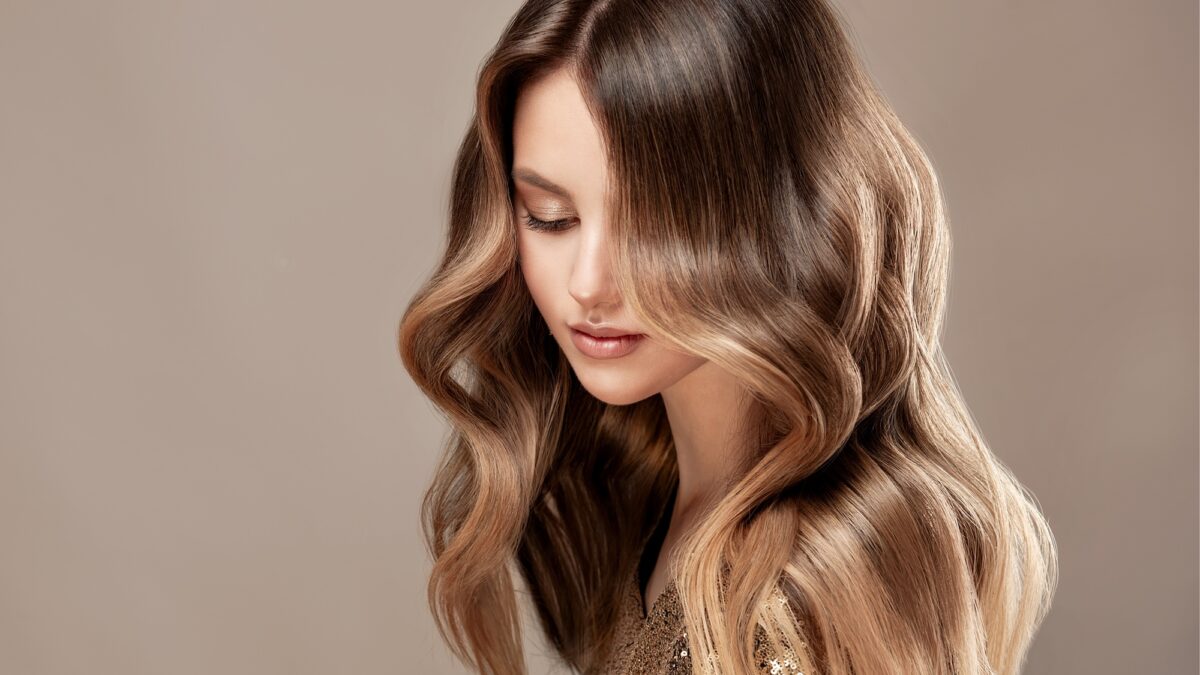
If you’ve been thinking that balayage was the peak of modern hair colour technique, well maybe we’re all in for a reckoning.
As we head into 2026, top colourists and trend forecasters are pointing to colour melting as the defining hair‑colour trend of the coming year.
For aspiring hairstylists, this is certainly worth looking into as there’s a good chance clients are going to be hearing about this technique and maybe even requesting it too.
Let’s break down what colour‑melting is, why it’s currently on route to become more popular than some classic techniques like balayage, and how you can integrate it into your training and services.
What Is Colour Melting?
Colour melting involves blending two, three or more shades of hair colour. Typically this involves starting with a root tone and gradually transitioning into lighter or different hues through the mid‑shaft to the ends, so that there is no visible line of demarcation between them.
Unlike classic highlights or balayage, which often rely on contrast (light pieces against a darker base), colour melting creates a smooth, fluid gradient that mimics how natural hair lightens with sun or time.
For instance, colour‑melting can be subtle, using colours within the same family like dark brown, caramel, and honey. Or they also work when going full bold, such as melting rich brunette, rose gold, and pastel pink.
Why Colour Melting is Expected to Explode in Popularity
There are a couple reasons why colour melting is predicted by some industry and fashion experts to be one of the biggest trends of 2026. Among them:
- Low‑maintenance appeal: Because the transitions are so seamless, root regrowth is less obvious. Color maintenance intervals stretch out, which clients appreciate.
- Timeless polish: With fewer harsh contrasts and more blended tones, colour‑melting delivers a refined finish that works across age groups, textures and styles.
- Universality: Works on any base.
- colour (brunette, blonde, red), any length, and suits both straight and curly textures. Trend evolution: As balayage and ombré become more common and saturated, clients and stylists are looking for the next step. Colour‑melting fits that moment.
- Growth of “lived‑in luxury” looks: The luxury of a salon colour now goes beyond brightness, it’s about softness, dimension and fluid transitions. Colour‑melting embodies that.
How to Master Colour Melting as a Hairstylist
- Assess the base first: Determine the client’s natural root colour and how light or dark you need to go. The goal is a natural progression,not a harsh shift.
- Choose your palette: Identify two or more shades that will flow together smoothly. For instance: chocolate, to warm caramel, and then to honey blonde.
- Apply strategically: Begin with the darkest tone at or near the root. Mid‑shaft gets the mid‑tone. Ends get the lightest. Blend where shades meet by feathering or brushing colour into each adjacent shade.
- Avoid hard lines: Use free‑hand painting or feathering techniques rather than foil isolate pieces. The idea isn’t bold strips, it’s gentle merging.
- Finish with gloss or toning: To secure the melt and add shine, finish with a gloss or tone to unify and elevate the gradient.
- Maintain with clients: Recommend color‑safe shampoos, occasional gloss treatments and heat‑protection. Many colour‑melted clients will return every 8‑10 weeks rather than monthly.
Why Colour Melting Matters for Hairstyling Students
- Differentiated Skillset: Offering colour‑melting puts you ahead of stylists still specialising only in balayage or foil highlights.
- Client Attraction: Clients searching for “soft, blended colour” will likely ask for colour‑melting. Knowing the technique helps you meet demand.
- Portfolio Value: Strong photographic results come from seamless blends, ideal for building a standout portfolio that shows your technical and artistic ability.
- Career Momentum: Being trained on forward‑looking techniques signals to employers and clients that you’re up‑to‑date and ambitious.
Final Thoughts
Colour‑melting is looking like it could be more than just a fad when it comes to hair colouring. However, we’ll have to wait and see in the New Year if things pick up as much as some folks are predicting!
In any case, if your goal is a career in hairstyling, keeping up to date with the latest trends is a major plus in your repertoire.
Ready to start training? Explore the Hairstyling Diploma program and learn how to elevate your craft with modern colour techniques.