
How Often Should You Really Exfoliate? A Pro’s Guide to Glowing Skin
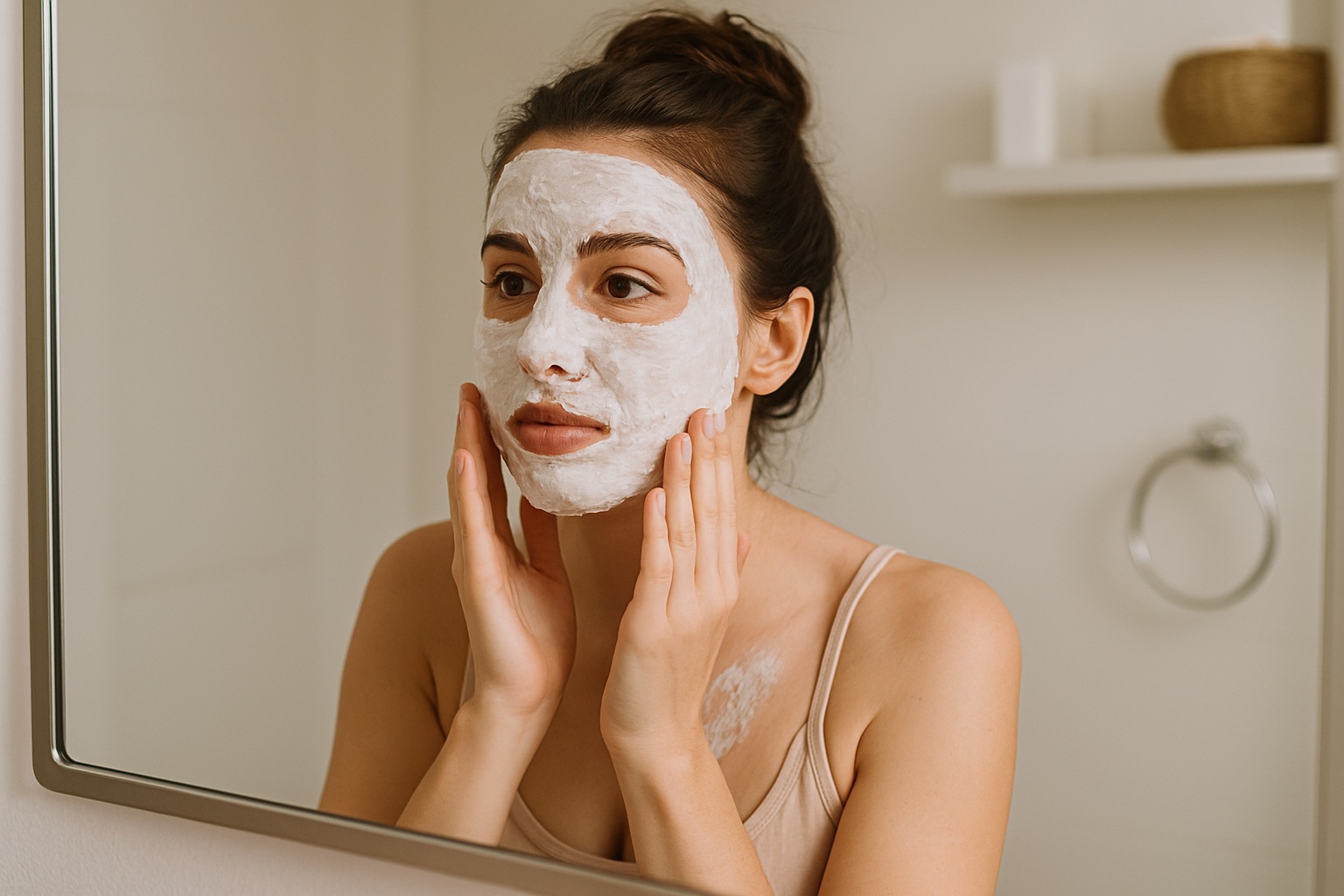
Exfoliation is one of the most misunderstood parts of a skincare routine.
Done right, it leaves your skin smooth, radiant, and ready to soak up all your serums and moisturizers. Done wrong, and it can cause irritation, dryness, or even damage your skin barrier.
So how often should you actually exfoliate and what’s the difference between chemical and physical exfoliation?
Whether you’re a skincare enthusiast or training to become an esthetician, here’s what you need to know to help yourself (or your clients) get it right.
Why We Exfoliate
Exfoliating removes dead skin cells from the surface of your skin. This helps:
- Brighten your complexion
- Unclog pores and prevent breakouts
- Improve the effectiveness of skincare products
- Smooth texture and even out skin tone
But exfoliating too often or with the wrong method can backfire. That’s why it’s important to choose the right type for your skin and use it at the right frequency.
Chemical vs. Physical Exfoliation
There are two main types of exfoliation:
Chemical exfoliation uses acids or enzymes to dissolve dead skin cells. These can include:
- AHAs (like glycolic or lactic acid) – best for dry or dull skin
- BHAs (like salicylic acid) – ideal for oily or acne-prone skin
- Enzymes (like papaya or pineapple) – gentle and good for sensitive skin
Physical exfoliation involves scrubbing the skin with a gritty texture, brush, or tool. Examples include:
- Scrubs with sugar, salt, or crushed seeds
- Exfoliating mitts, sponges, or brushes
Key tip: Chemical exfoliants tend to be gentler and more precise, while physical exfoliants can cause micro-tears if used too aggressively especially on sensitive skin.
How Often Should You Exfoliate?
Here’s a general rule of thumb based on skin type:
- Oily or acne-prone skin: 2–3 times per week
- Dry or sensitive skin: 1–2 times per week
- Normal or combination skin: 2–3 times per week, alternating based on needs
And remember: always moisturize and wear sunscreen after exfoliating, your skin will be more sensitive to the sun.
Signs You Might Be Over-Exfoliating
If you notice any of the following, it’s time to cut back:
- Redness or irritation
- Flaky or tight skin
- Increased sensitivity
- Breakouts that weren’t there before
Give your skin a break, use hydrating products, and return to exfoliating only once or twice per week once your skin calms down.
Esthetician Tip: Customize Based on the Season
Professional estheticians often adjust exfoliation routines based on weather and lifestyle. For example:
- In winter, skin is drier and more sensitive, use gentle exfoliants less often
- In summer, sweat and oil production increase, exfoliating more regularly helps keep pores clear
It’s not about sticking to a strict schedule. It’s about responding to what your skin needs.
Want to Learn More About Skincare?
At Modern College, our esthetics program teaches you everything from facials and skincare theory to real-world client care. If you’re passionate about beauty and want to turn that passion into a career, our hands-on diploma programs are a great place to start.