
What Is Dandruff? Causes and Tips to Treat It Effectively
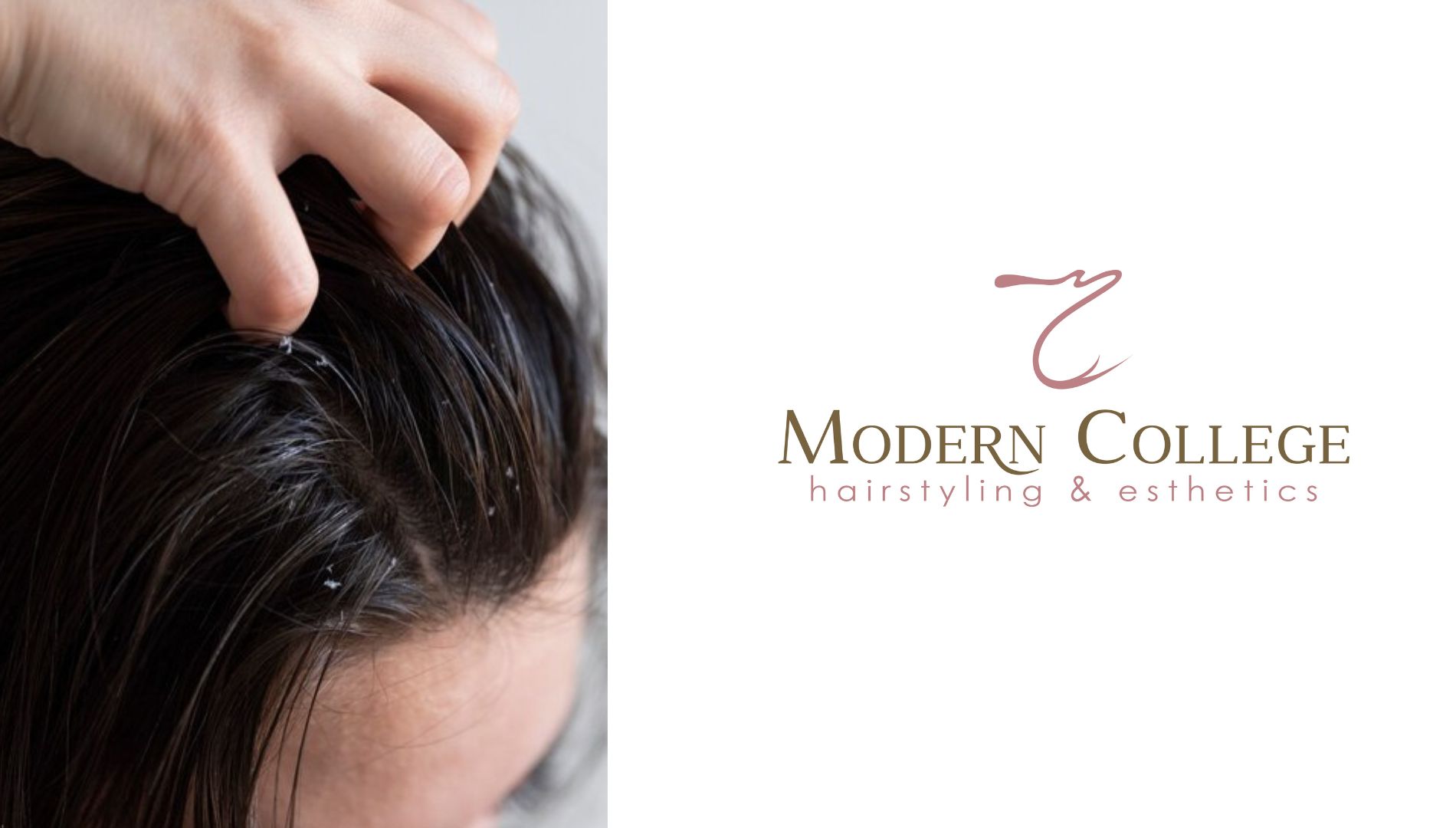
Dandruff. It always shows up when you least expect or want it.
As far as scalp conditions go, it’s one that almost everybody experiences at some point in their lives. While it isn’t harmful or contagious, dandruff can be frustrating and sometimes embarrassing.
Understanding what causes dandruff and how to manage it is the first step toward a healthier scalp and flake-free hair. Fortunately, you don’t need to be a master hair stylist to know how to treat it (though, it never hurts).
In this guide, we’ll explore what dandruff is, its common causes, and effective ways to address it.
What is dandruff?
Dandruff is a condition that occurs when your scalp sheds excessive dead skin cells, often accompanied by itching.
Why does this happen? Well, dandruff is frequently linked to an overgrowth of Malassezia – that’s a yeast-like fungus naturally found on the scalp. This fungus can cause increased skin cell turnover, leading to visible flakes.
What are the main symptoms of dandruff?
The two most common ones are:
- White or yellowish flakes that appear on your scalp, in your hair, or on your shoulders.
- An itchy or irritated scalp.
Who’s most vulnerable to dandruff?
While almost anyone can be affected, dandruff is most common among adults. Though, it can also occur in teens and children.
It often worsens during certain seasons, such as winter, too.
What causes dandruff?
Several factors can trigger or worsen any existing dandruff:
- Dry Scalp: Lack of moisture can cause skin flaking and irritation.
- Oily Scalp: Excess oil creates an ideal environment for Malassezia to thrive.
- Product Build-Up: Frequent use of styling products like gels or sprays can accumulate on the scalp.
- Skin Conditions: Conditions such as seborrheic dermatitis or psoriasis can contribute to dandruff.
- Weather Changes: Cold, dry winters often exacerbate dandruff.
- Stress or Hormonal Changes: Both can impact scalp health, worsening dandruff.
How do I deal with dandruff?
As annoying as it is, there are fortunately a lot of products and tips that can help alleviate it.
First, get yourself a good Anti-Dandruff Shampoo. Look for shampoos containing ingredients like zinc pyrithione, salicylic acid, selenium sulfide, or ketoconazole. These target fungus and reduce flaking. For sensitive scalps, opt for sulfate-free options.
Next, wash your hair regularly. Keep your scalp clean to reduce oil and product buildup, but avoid overwashing, which can dry out the scalp.
If possible, moisturize your scalp. Use natural oils like tea tree oil, which has antifungal and soothing properties. Exfoliation doesn’t hurt either, provided you use a gentle scalp scrub that helps remove build up and dead skin cells.
If your dandruff is bad, try to minimize styling product use because some of these do little to prevent further buildup.
Home Remedies for Dandruff
For those who prefer natural solutions, these home remedies can help:
- Apple Cider Vinegar: Dilute with water and use as a rinse to reduce fungus and balance scalp pH.
- Coconut Oil: Apply to the scalp to moisturize and combat fungal growth.
- Aloe Vera Gel: Use to soothe irritation and reduce itching.
- Lemon Juice: Acts as a natural clarifier to remove buildup and excess oil.
Home remedies can be a great addition to your anti-dandruff routine, but they may take time to show results compared to some of the products available at your local pharmacy or recommended by your hairdresser (who you could always ask for advice).
When to See a Specialist
Sometimes, even as hard as we try to get rid of it, dandruff requires help to make any progress. Here are some signs that it’s time to call in the professionals.
- Persistent Dandruff: If flakes persist despite using anti-dandruff products.
- Severe Itching or Redness: These could indicate an underlying condition like psoriasis or eczema.
- Hair Loss: Excessive shedding alongside dandruff may need evaluation by a dermatologist.
Also, if over-the-counter solutions aren’t working, a specialist can provide tailored treatments and recommendations.
Final Thoughts
Dandruff is a common and manageable scalp condition that can be treated with the right products, proper scalp care, and home remedies. Understanding its causes—whether it’s dry skin, oil buildup, or an underlying condition—is the first step in finding the right solution.
If your dandruff persists or worsens, don’t hesitate to consult a specialist for additional support. Start implementing these tips today, and enjoy a healthier, flake-free scalp!
Are you passionate about hairstyling and want to turn that passion into a career? Our Hairstylist Program here at Modern College of Hairstyling and Esthetics gives you the training you need to succeed in the beauty industry. Inquire now!